
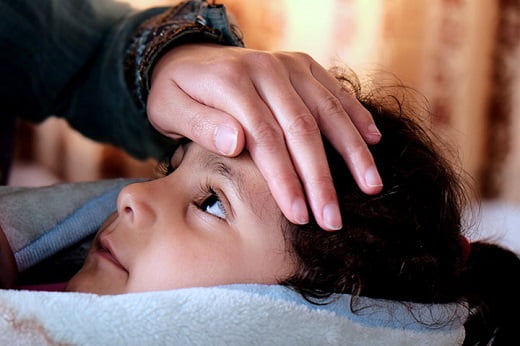
Malaria Symptoms in Kids: Everything you need to know
Malaria, one of the most common diseases in children, has been shown to impair cognitive development, particularly language development. Even after recovery from severe cases of malaria, cognitive growth can be significantly affected. In fact, even mild malaria epidemics can have developmental consequences. In this guide, we will provide all the important information about Malaria symptoms in kids, types, precautions, and treatment.
Common tropical diseases:
- Malaria
- Typhus
- Schistosomiasis
- Dengue fever
Symptoms of malaria in Children
Typical Malaria symptoms in kids are varied and often appear suddenly. These can vary in appearance depending on the specific tropical disease. Digestive Issues are also characteristic and affect many sufferers.
Here is a short list of typical symptoms:
- High fever
- Headache and body aches
- Chills and shivering
- Cough and rapid breathing
- Diarreha
- General feeling of illness
Additional Signs of severe malaria:
- Circulatory problems, collapse
- Jaundice
- Respiratory problems, shortness of breath
- Very little or no urine output
- Skin bleeding
How can we prevent malaria?
Adequate medical care is equally important to minimize their spread. The development of effective drugs is often hampered by a lack of incentives. Limited research resources in affected regions also play a role.
Early detection through improved diagnostics can prevent significant damage. This also reduces the spread of the disease.
Important factors for prevention:
- Clean drinking water
- Medical care
- Early detection through diagnostics
- Insect repellents for application to the skin
- Insecticides
- Biocidal vaporizers/mosquito coils
- Use of insect (mosquito) nets
- Impregnation of insect nets
- Appropriate clothing/behavioral control
- Other insect control measures
Complications in Malaria
Children who contract malaria are at higher risk of developing severe illness than adults. The risk of dying from the infectious disease is also higher. Parents should therefore avoid unnecessary family travel to malaria-endemic areas. This also applies to pregnant women, as a malaria infection can, in rare cases, be transmitted to the unborn child. There are several findings that indicate complicated malaria:
- Altered mental status, cerebral seizures,
- Hypoglycemia
- Shock symptoms
- Spontaneous bleeding
- Acidosis or increased lactate
- severe anemia
- Renal insufficiency
- Hemoglobinuria
- Hyperparasitemia
What are the treatment options for Malaria?
Malaria is treated with medication. Which drugs are suitable for treatment depends, among other things, on the type of malaria. Prompt treatment is important. Mild malaria can normally be treated as an outpatient (standby therapy). Severe instances necessitate inpatient hospital treatment. However, taking these medications can lead to serious negative effects. A global problem is that some parasites have developed resistance to proven and previously effective medications. However, it has been shown that certain malaria pathogens can also be successfully treated with some antibiotics.
Malaria in Children: Our Conclusion
Malaria, one of the most common diseases that can affect your children under 5 years of age, has been shown to impair cognitive development. As soon as you find the Malaria symptoms in kids, always take preventive measures, and if the condition gets serious, take your children to the doctor so that your doctor can treat the disease before it gets worse.
