
Healthy Weight · Johar Town, Lahore
Childhood Obesity & Healthy Weight Management
Supportive, non-judgemental assessment and guidance for children who are overweight – focusing on healthy family habits, activity and growth rather than strict diets.
- 0–18 Years of age
- FCPS Child specialist
- Mon–Sat 7am – 10pm
 Healthy habits for life
Quick answer
Childhood obesity means a child’s weight is well above the healthy range for their age, sex and height, usually measured using BMI on growth charts. It can affect physical health, confidence and long-term wellbeing. The best approach involves the whole family: healthier eating, more physical activity, less screen time and better sleep, along with checks for related health problems.
Introduction to Childhood Obesity
The number of children with excess weight is rising, including in Pakistan’s cities. Changes in diet, less outdoor play and more screen time all contribute. Because children are still growing, the goal is usually to slow weight gain while they grow taller, rather than strict weight loss – and to build habits that last.
How We Can Help
Assessment
Understanding your child’s weight.
- BMI on growth charts
- Lifestyle review
- Health checks
Family Plan
Small, realistic changes.
- Healthy meal ideas
- Activity goals
- Screen time limits
Follow-up
Support over time.
- Regular reviews
- Growth monitoring
- Referral if needed
Understanding Healthy Weight
In children, BMI is interpreted using age- and sex-specific growth charts rather than adult cut-offs. A child above the 85th centile is considered overweight, and above the 95th centile is considered obese. Waist size, growth pattern, family history and overall health are also considered.
Causes of Childhood Obesity
- Frequent sugary drinks, sweets, fast food and packaged snacks
- Large portions and eating while watching screens
- Too little physical activity and outdoor play
- Too much screen time and too little sleep
- Family eating patterns and genetics
- Rarely: hormonal or genetic conditions, which are usually associated with short stature or other signs
Health Risks of Obesity
Excess weight in childhood can lead to type 2 diabetes, high blood pressure, high cholesterol, fatty liver, joint problems, sleep apnoea (snoring with pauses in breathing) and early puberty. It can also affect self-esteem and lead to teasing. Many of these risks improve with healthier habits. Read about diabetes in children.
Healthy Nutrition for Children
- Water instead of sugary drinks, packaged juices and fizzy drinks.
- Plenty of vegetables, fruit, pulses and whole grains.
- Child-sized portions on smaller plates.
- Regular family meals without screens.
- Fried foods, sweets and bakery items as occasional treats.
- A healthy breakfast every day.
Physical Activity and Lifestyle
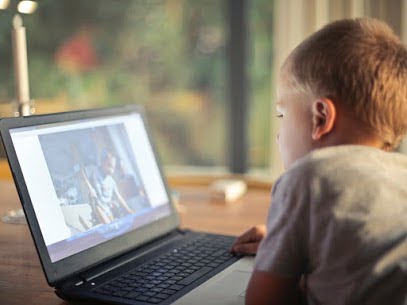
Children should aim for at least an hour of active play every day – running, cycling, sports, skipping or brisk walking. Limit recreational screen time and keep screens out of bedrooms. Regular sleep schedules also support healthy weight. Read about screen time and the effects of gadgets on children.
Family-Based Weight Management
- Whole-family approach: everyone follows the same healthy habits – the child is not singled out.
- Small goals: one or two changes at a time, such as replacing sugary drinks with water.
- Positive language: focus on health and strength, not appearance or weight.
- No crash diets: children need nutrients for growth.
- Regular review: track progress on growth charts.
When Should Parents Seek Pediatric Advice?
- Your child’s weight is rising faster than their height.
- Your child snores loudly or stops breathing during sleep.
- There are dark, velvety patches on the neck or armpits (a sign of insulin resistance).
- Your child is excessively thirsty or urinates frequently.
- Weight gain is accompanied by short stature, early puberty or low mood.
Pediatric Healthy Weight Assessment
The assessment includes measuring height, weight, BMI and blood pressure, reviewing diet, activity, sleep and screen use, and examining for signs of related conditions. Blood tests such as blood sugar or cholesterol may be advised. The doctor then agrees a realistic plan with the family and arranges follow-up, with referral to a dietitian or specialist when needed.
Healthy Weight: Questions Parents Ask
How do I know if my child is overweight?
A doctor calculates BMI and plots it on growth charts for your child’s age and sex. Children’s BMI is interpreted differently from adults.
Should my child go on a diet?
Strict diets are not recommended for growing children. The focus is on healthier family eating, activity and sleep so the child grows into a healthier weight.
Will my child grow out of their weight?
Some children do as they get taller, but many overweight children remain overweight without changes in habits. Early support is helpful.
How much physical activity does my child need?
Children should get at least 60 minutes of active play every day.
Can obesity be caused by a hormone problem?
Hormonal causes are uncommon and usually come with other signs, such as poor height growth. The doctor can check for these.
How can I talk to my child about weight?
Focus on health, energy and strength rather than appearance. Avoid blaming or teasing, and make changes together as a family.
Related Pediatric Services
View all 24 pediatric services →
Helpful Guides for Parents
About Your Child Specialist
Dr. Muhammad Zeeshan Khan, MBBS, FCPS is a consultant child specialist (pediatrician) and Associate Professor at Children’s Hospital Lahore, with 24 years of experience in paediatrics and a private clinic at 7, Block-M, Phase 2, Johar Town, Lahore. He offers growth and nutrition assessment, guidance for healthy weight and referral to sub-specialists where needed.
Book an Appointment Call 0311-6712017
This page provides general health information for parents and does not replace a medical consultation. Last updated: November 2026.
Book an Appointment with Dr. Zeeshan
Reach the Clinic
Location
7, Block-M, Phase 2, Johar Town, Lahore
Phone / WhatsApp
Clinic Hours
Mon–Sat 7am – 10pm · Sunday closed