
Skin Care · Johar Town, Lahore
Common Skin Problems in Children
Assessment of rashes, itchy skin, eczema, nappy rash, fungal and bacterial skin infections in babies and children – with gentle, practical skin care advice.
- 0–18 Years of age
- FCPS Child specialist
- Mon–Sat 7am – 10pm
 Rashes, eczema & infections
Quick answer
Skin problems in children are very common and include eczema, nappy rash, heat rash, fungal infections, impetigo, scabies, hives and rashes caused by viral illnesses. Most are harmless and respond well to simple treatment, but some rashes – especially with fever or a child who seems unwell – need prompt medical review.
Introduction to Childhood Skin Problems
A child’s skin is thinner and more sensitive than an adult’s, and reacts quickly to heat, irritants, infections and allergens. In Lahore’s hot, humid summers, heat rash and fungal infections are particularly common, while dry winters often worsen eczema.
How We Can Help
Eczema & Dry Skin
Calming itchy, inflamed skin.
- Moisturising routine
- Trigger avoidance
- Flare-up treatment
Skin Infections
Diagnosing and treating infections.
- Fungal infections
- Impetigo
- Scabies
Rashes
Identifying the cause of a rash.
- Viral rashes
- Heat and nappy rash
- Hives and allergic rashes
Eczema in Children
Eczema (atopic dermatitis) causes dry, itchy, red patches – on the cheeks and outer limbs in babies, and in elbow and knee creases in older children. It often runs in families with asthma or allergies. Treatment focuses on daily moisturising, gentle soap-free washing, avoiding triggers and using prescribed creams during flare-ups. Scratching can lead to infection, so keeping nails short helps.
Skin Rashes
- Viral rashes: often appear with or after a fever and fade on their own.
- Heat rash: tiny red bumps in hot weather; keep the child cool and dress lightly.
- Nappy rash: red skin in the nappy area; frequent changes and barrier cream help.
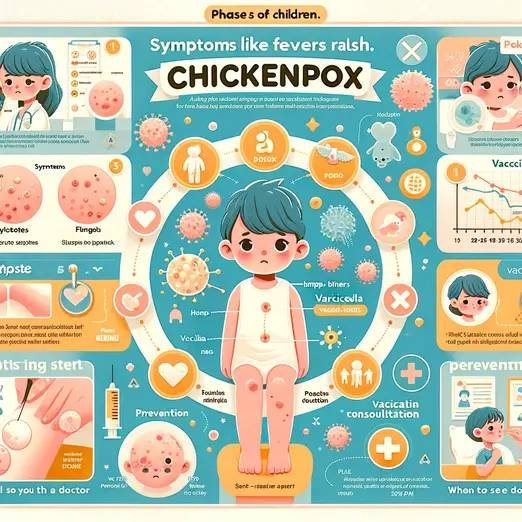
- Chickenpox: itchy blisters in crops. Read about chickenpox in children.
Fungal Skin Infections
Fungal infections such as ringworm (round, scaly patches with a raised edge), scalp ringworm and candida in skin folds or the nappy area are common in warm, moist conditions. They are treated with antifungal creams or, for scalp infections, oral medicine. Household members and pets may need checking, and sharing towels and combs should be avoided.
Bacterial Skin Infections
Impetigo causes crusted, honey-coloured sores, often around the nose and mouth, and spreads easily. Boils and infected cuts or eczema may also need treatment. Scabies, caused by tiny mites, causes intense itching that is worse at night and often affects the whole family, who need treatment together.
Allergic Skin Reactions
Hives (urticaria) are raised, itchy welts that can appear after viral infections, foods, medicines or insect bites, and usually fade within hours. Contact dermatitis occurs where the skin touched an irritant or allergen such as detergents or certain metals. Swelling of the lips or face, or breathing difficulty, is an emergency.
Healthy Skin Care for Children
- Use lukewarm baths and mild, fragrance-free soap.
- Moisturise daily, especially after bathing.
- Dress children in loose cotton clothing.
- Use sun protection and shade in summer.
- Keep nails short and clean.
- Avoid applying steroid or “fairness” creams without medical advice.
When to Consult a Pediatrician
- A rash with fever and a child who seems unwell.
- A rash that does not fade when a glass is pressed against it – seek urgent care.
- Swelling of the face or lips or difficulty breathing – an emergency.
- Blisters, peeling skin or a rash in the mouth or eyes.
- Skin that is hot, red, swollen and painful, or a rash that keeps spreading.
- Eczema that is not controlled or is weeping and crusted.
Pediatric Skin Assessment
- History: when the rash started, itch, fever, contacts and new products or foods.
- Examination: the whole skin, nails, scalp and mouth.
- Diagnosis: most skin conditions are identified by their appearance; tests are used occasionally.
- Plan: skin care routine, treatment and referral to a dermatologist when needed.
Skin Problems: Questions Parents Ask
Is eczema contagious?
No. Eczema cannot be passed from one person to another, although eczema patches can become infected.
Can I use steroid creams on my child's skin?
Mild steroid creams prescribed by a doctor are safe for short courses. Avoid strong creams or mixed creams bought without a prescription, especially on the face.
How do I treat my baby's nappy rash?
Change nappies often, let the skin air dry, clean gently with water and apply a barrier cream. Seek advice if it does not improve or spreads.
How can I tell if a rash is serious?
A rash with fever in a child who seems unwell, or a rash that does not fade under a glass, needs urgent medical attention.
Why does my child get rashes in summer?
Heat rash and fungal infections are common in hot, humid weather. Loose cotton clothing and keeping skin dry help.
Does the whole family need treatment for scabies?
Yes. Scabies spreads easily through close contact, so everyone in the household is usually treated at the same time.
Related Pediatric Services
View all 24 pediatric services →
Helpful Guides for Parents
About Your Child Specialist
Dr. Muhammad Zeeshan Khan, MBBS, FCPS is a consultant child specialist (pediatrician) and Associate Professor at Children’s Hospital Lahore, with 24 years of experience in paediatrics and a private clinic at 7, Block-M, Phase 2, Johar Town, Lahore. His listed services include the treatment of common skin problems in children.
Book an Appointment Call 0311-6712017
This page provides general health information for parents and does not replace a medical consultation. Last updated: November 2026.
Book an Appointment with Dr. Zeeshan
Reach the Clinic
Location
7, Block-M, Phase 2, Johar Town, Lahore
Phone / WhatsApp
Clinic Hours
Mon–Sat 7am – 10pm · Sunday closed